
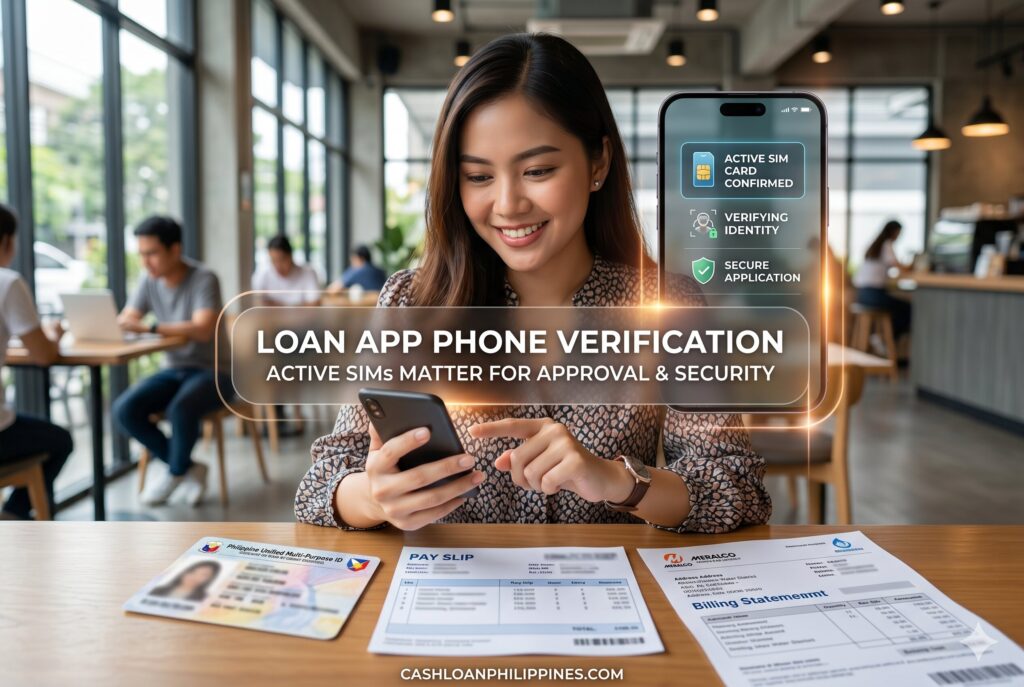
Applying for a digital loan in the Philippines now involves more than uploading IDs and income documents. Most lending apps also analyze your mobile number, SIM activity, device behavior, and telecom verification history before approving an application. A weak phone verification profile can delay OTP delivery, trigger fraud alerts, or even contribute to rejection.
Many borrowers focus only on IDs and salary proof while ignoring telecom-based trust signals. However, Philippine loan apps increasingly rely on SIM registration records, device fingerprinting, Android permissions, linked-device monitoring, and account age analysis to reduce fraud and identity abuse. Using a stable number and consistent device behavior helps lenders assess borrower legitimacy and repayment reliability.
Summary:
Loan app phone verification Philippines systems rely heavily on active SIM cards, OTP validation, device consistency, and telecom trust signals to evaluate borrower risk. Philippine lenders often check whether a mobile number is recently activated, frequently changed, linked to suspicious devices, or unable to receive OTP codes reliably. Active SIM registration, stable Android permissions, long-term number usage, and consistent device behavior improve verification outcomes. Borrowers using recycled SIMs, newly registered numbers, inactive prepaid accounts, or multiple devices may face higher fraud-risk scores. Keeping one active number, avoiding frequent device changes, and ensuring proper network access can improve loan approval chances and reduce verification failures.
Why Loan Apps in the Philippines Verify Your Mobile Number 📲
Digital lenders in the Philippines operate in a high-risk environment where identity fraud, fake accounts, synthetic borrowers, and stolen credentials are common concerns. Because applications happen remotely, lenders depend heavily on mobile verification systems to validate user authenticity.
Phone verification is not just about sending a one-time password (OTP). It is part of a larger risk analysis process that includes:
- SIM registration checks
- Telecom activity signals
- Device fingerprinting
- Linked-device monitoring
- Account age analysis
- Behavioral fraud detection
- OTP delivery validation
- Android permission analysis
Many licensed lending platforms also align their onboarding standards with broader Know Your Customer (KYC) expectations used across fintech and e-wallet ecosystems in the Philippines.
A stable phone number often acts as a long-term digital identity marker. When a borrower consistently uses the same SIM card across banking apps, e-wallets, loan platforms, and online services, lenders interpret this as a lower fraud risk.
How SIM Registration Changed Loan App Verification
The Philippines implemented mandatory SIM registration requirements to reduce scams, fraud, and anonymous digital abuse. This significantly affected how lending apps evaluate borrowers.
SIM Registration Helps Lenders Validate Identity
With registered SIM cards, telecom-linked verification becomes more reliable because the mobile number is now tied to identifiable user information.
Loan apps may compare:
- Registered name patterns
- Device ownership consistency
- Mobile activity history
- OTP response reliability
- Existing fintech account associations
This does not mean lenders can freely access private telecom records. However, verification systems can still detect telecom-related risk signals indirectly through onboarding behavior and network validation systems.
Newly Registered SIMs Often Trigger Additional Checks
A brand-new SIM card is not automatically disqualified. However, newly activated numbers may create higher caution scores within fraud-detection systems.
Why?
Fraud rings commonly use:
- Disposable prepaid SIMs
- Temporary numbers
- OTP bypass methods
- Rapid account cycling
- Shared device farms
As a result, some loan apps place additional scrutiny on:
- SIMs activated very recently
- Numbers with limited app history
- Phones associated with multiple loan accounts
- Devices showing suspicious login behavior
A borrower who has used the same prepaid SIM for years usually appears more trustworthy than someone applying with a number activated three days earlier.
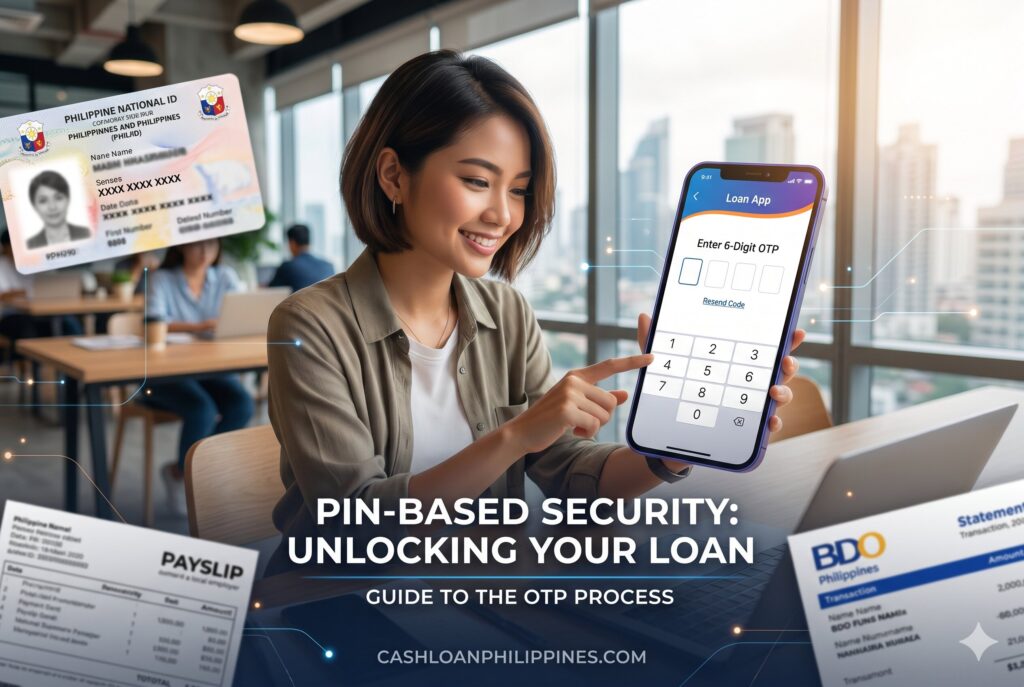
Philippine Loan App OTP Verification Process
The Real Purpose of OTP Systems in Lending Apps
OTP systems are one of the most visible parts of mobile verification, but they serve multiple purposes beyond login security.
OTPs Confirm Real-Time Device Ownership
When a borrower receives and enters an OTP successfully, the system verifies:
- The phone is active
- The SIM can receive telecom messages
- The applicant currently controls the device
- The number is operational in real time
This reduces fake-account creation and stolen identity usage.
OTP Timing Can Influence Risk Signals
Some apps analyze:
- OTP delivery speed
- Repeated resend attempts
- Failed OTP submissions
- Device switching during verification
- Network instability
If OTP requests repeatedly fail, systems may interpret the behavior as:
- Network manipulation
- Emulator usage
- Temporary SIM activity
- Automated bot behavior
Poor signal alone does not mean fraud, but repeated abnormal verification behavior can elevate risk scores.
Why Device Fingerprinting Matters in Loan Applications 🔍
Many borrowers do not realize that modern loan apps analyze the device itself, not just the mobile number.
Device fingerprinting helps lenders identify:
- Repeated applications from one phone
- Fraudulent account clusters
- Emulator usage
- Rooted Android devices
- Suspicious behavioral patterns
What Information Can Be Detected?
Depending on permissions granted and app security architecture, systems may evaluate:
- Device model
- Operating system version
- App installation patterns
- IP consistency
- Device identifiers
- SIM-device pairing stability
- Time zone consistency
- Language settings
This is common across fintech, digital banking, e-wallet, and online lending ecosystems.
Linked-Device Monitoring Reduces Fraud
If one device has been associated with:
- Multiple rejected applications
- Fraudulent borrowing attempts
- Identity mismatches
- Charge-off behavior
- Suspicious OTP abuse
Future applications from that device may receive stricter review.
This explains why some borrowers experience repeated rejection despite changing names or SIM cards.
Why Frequent Number Changes Can Hurt Approval Chances
Changing your mobile number occasionally is normal. However, constant number switching creates instability in digital risk profiles.
Loan apps prefer consistency because stable telecom behavior often correlates with lower fraud risk.
Frequent SIM Changes Create Verification Gaps
When users repeatedly change numbers:
- Previous app histories disappear
- E-wallet verification continuity breaks
- OTP reliability becomes harder to assess
- Telecom trust history resets
This can make lenders uncertain about borrower legitimacy.
Borrowers With Long-Term Numbers Often Build Better Trust
A long-used prepaid SIM linked to:
- Banking apps
- E-wallets
- Government services
- Delivery apps
- Utility accounts
usually appears more credible during automated risk scoring.
This is especially important for first-time borrowers without strong credit histories.
Prepaid vs Postpaid SIM: Does It Matter?
Most Philippine loan apps accept both prepaid and postpaid numbers. A prepaid SIM alone does not reduce approval odds.
However, lenders may still analyze behavioral differences between the two.
| Factor | Prepaid SIM | Postpaid SIM |
|---|---|---|
| Common among borrowers | Very common | Less common |
| Risk of disposable usage | Higher | Lower |
| Telecom billing stability | Limited | Stronger |
| Long-term account signals | Depends on usage | Often stronger |
| OTP reliability | Usually stable | Usually stable |
The key factor is not prepaid versus postpaid. It is consistency and legitimacy.
A prepaid SIM used actively for several years can look safer than a newly activated postpaid number.
Android Permissions and Why Apps Request Them
Borrowers often worry when lending apps request phone-related permissions. Some requests are legitimate for verification and fraud prevention, while excessive permissions should be approached carefully.
Common Permissions Used During Verification
Legitimate lending apps may request:
- SMS access for OTP autofill
- Camera access for selfie checks
- Phone state validation
- Storage access for document uploads
- Location verification
These permissions help automate onboarding and reduce fraud.
Excessive Permission Requests Can Be a Warning Sign
Borrowers should be cautious if apps request:
- Unnecessary contact scraping
- Broad file access unrelated to lending
- Continuous background permissions
- Irrelevant device control functions
Before installing any lending app, verify whether the lender is properly registered and follows responsible data handling practices.
You can also review the app’s privacy disclosures before granting permissions.
For borrowers trying to review the full requirements for loan apps, phone verification and device validation are now just as important as IDs and income documents.
Common Phone Verification Problems in Philippine Loan Apps
OTP Delays and Failed Verification
OTP problems remain one of the most common borrower complaints.
Possible causes include:
- Weak mobile signal
- Telecom congestion
- Spam filtering
- Incorrect SIM placement
- Airplane mode enabled
- Delayed carrier routing
- Dual-SIM conflicts
Device Mismatch Warnings
Some applications trigger additional review if:
- The SIM was recently inserted into a different device
- The app detects emulator behavior
- GPS location changes abruptly
- Multiple accounts exist on one phone
These checks help lenders detect identity fraud and account sharing.
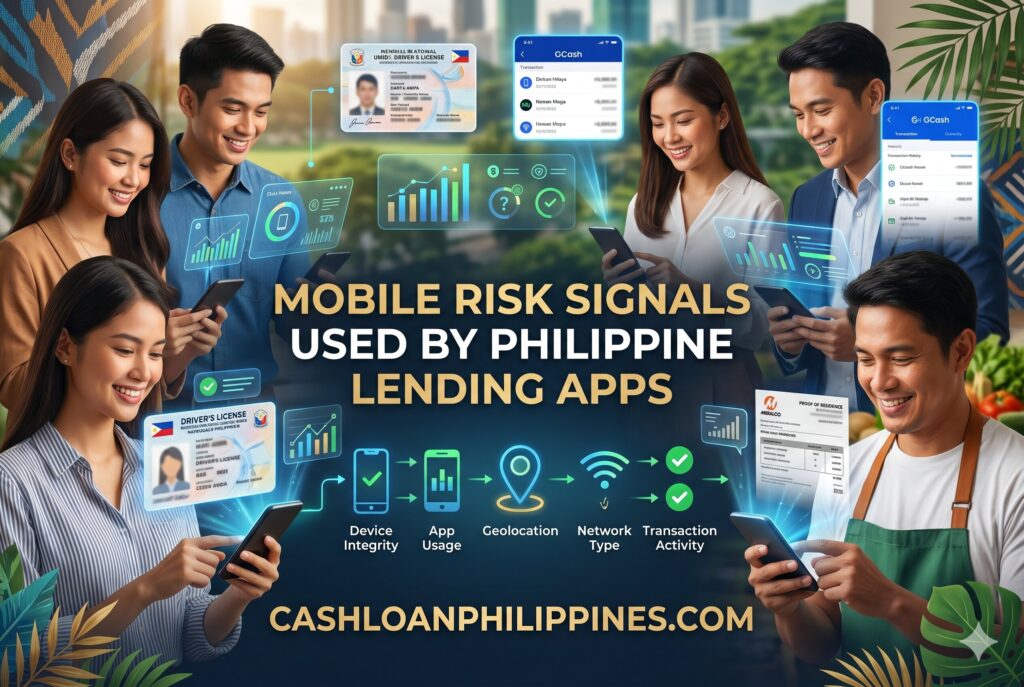
Mobile Risk Signals Used by Philippine Lending Apps
Can Changing Phones Affect Loan Approval?
Yes, frequent device changes can affect verification reliability.
Changing phones occasionally is normal, but constant switching creates fragmented digital patterns.
Why Device Stability Matters
A stable device history helps lenders observe:
- Consistent borrower behavior
- Predictable login patterns
- Reliable telecom access
- Reduced fraud probability
Borrowers who:
- Reset devices frequently
- Use cloned Android systems
- Install apps through unofficial channels
- Change devices weekly
may unintentionally trigger fraud-monitoring systems.
Shared Devices Increase Risk
Applying from shared phones used by multiple people can create problems because linked-device monitoring may associate the device with:
- Previous loan defaults
- Duplicate identities
- Fraud attempts
- High-risk borrower activity
This is common in areas where families share one Android device.
How Loan Apps Evaluate Mobile Trust Scoring 🛡️
Mobile trust scoring refers to the automated evaluation of telecom and device reliability indicators.
These systems typically combine:
- SIM stability
- Device consistency
- App behavior
- OTP success rates
- Login patterns
- Fraud database matching
- Account age signals
The final score contributes to automated approval decisions.
Behavioral Patterns Matter More Than One Single Factor
A newly registered SIM alone usually will not cause rejection.
However, combined with:
- Device switching
- Failed selfie checks
- IP instability
- Multiple applications
- Inconsistent identity details
the total fraud-risk score may increase.
This is why applicants should avoid rushing through multiple loan applications using different numbers and devices.
Borrowers facing repeated identity or camera-related problems should also review common causes behind selfie verification failures before reapplying.
Practical Ways to Improve Loan Approval Chances 📈
Borrowers cannot control every approval factor, but they can improve telecom and device trust consistency.
Maintain One Stable Mobile Number
If possible:
- Keep one active SIM long term
- Avoid replacing numbers frequently
- Use the same number across financial apps
This strengthens digital identity continuity.
Avoid Repeated Device Changes Before Applying
Using one primary device consistently helps reduce verification inconsistencies.
Keep Your SIM Active
Inactive prepaid numbers may:
- Lose OTP reliability
- Experience reactivation delays
- Trigger telecom inconsistencies
Regular usage improves account stability.
Use Official App Stores Only
Installing lending apps from unofficial APK sources may expose borrowers to:
- Fake loan apps
- Malware
- Data theft
- Unauthorized permissions
Ensure Accurate Application Details
Phone verification should match:
- Submitted IDs
- Selfie verification
- Personal information
- E-wallet registration data
Consistency matters across the entire onboarding process.
Borrowers trying to improve loan approval chances should treat their phone number and device history as part of their financial identity.
Do Loan Apps Track Device History?
Many digital lending systems maintain internal device association records for fraud prevention.
This does not necessarily mean lenders monitor all phone activity. Instead, systems may record:
- Previous application attempts
- Device-linked accounts
- Verification outcomes
- Suspicious login behavior
- Fraud alerts
This is standard across many fintech sectors globally.
Rooted or Modified Devices Can Trigger Risk Alerts
Some apps flag:
- Rooted Android devices
- Emulator environments
- Developer-mode abuse
- Modified operating systems
These conditions may weaken trust scores because they can be associated with fraud manipulation.
Can You Use a Newly Registered SIM?
Yes, but expect stricter verification in some cases.
A new SIM is more likely to undergo:
- Additional OTP validation
- Extended identity review
- Manual assessment
- Device consistency checks
To improve success rates:
- Use a stable device
- Ensure your SIM is properly registered
- Avoid multiple rapid applications
- Keep personal details consistent
Why Was My OTP Delayed?
OTP delays are usually caused by telecom or device issues rather than automatic rejection.
Common reasons include:
- Weak network coverage
- SMS congestion
- Spam-filter blocking
- Dual-SIM conflicts
- Outdated messaging apps
- Temporary carrier delays
- SIM activation issues
Before retrying:
- Restart your phone
- Check signal strength
- Confirm SMS inbox availability
- Disable spam filters temporarily
- Ensure the SIM is active
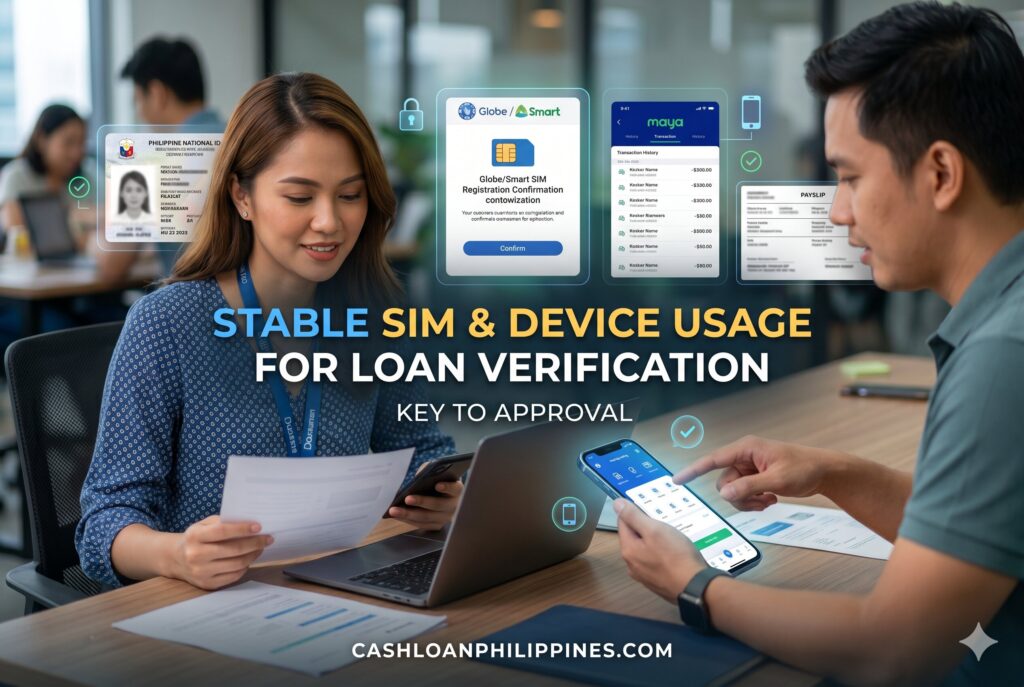
Stable SIM and Device Usage for Loan Verification
Telecom Trust Signals Are Becoming More Important
Philippine digital lending continues evolving alongside:
- E-wallet adoption
- SIM registration enforcement
- Fraud analytics
- AI-driven onboarding
- Device intelligence systems
As online borrowing expands, telecom-based trust scoring will likely become even more influential.
Borrowers who maintain:
- Stable numbers
- Consistent devices
- Verified identities
- Reliable app behavior
generally experience smoother onboarding across financial platforms.
Conclusion
Phone verification in Philippine loan apps now goes far beyond OTP codes. Active SIM cards, stable device usage, telecom consistency, and behavioral trust signals all contribute to modern fraud-risk analysis. Lenders use these systems to reduce fake accounts, identity abuse, and repayment fraud while improving onboarding security.
Borrowers can improve their verification reliability by maintaining one active mobile number, avoiding unnecessary device switching, using officially registered SIMs, and keeping personal information consistent across apps. Small telecom-related behaviors may significantly influence automated approval systems, especially for first-time borrowers with limited financial history.
Responsible borrowing also means protecting your digital identity. Before applying, review app permissions carefully, use trusted lending platforms, and ensure your phone environment supports secure verification and accurate onboarding.
Last Updated on September 12, 2026 by Maria Santos
